

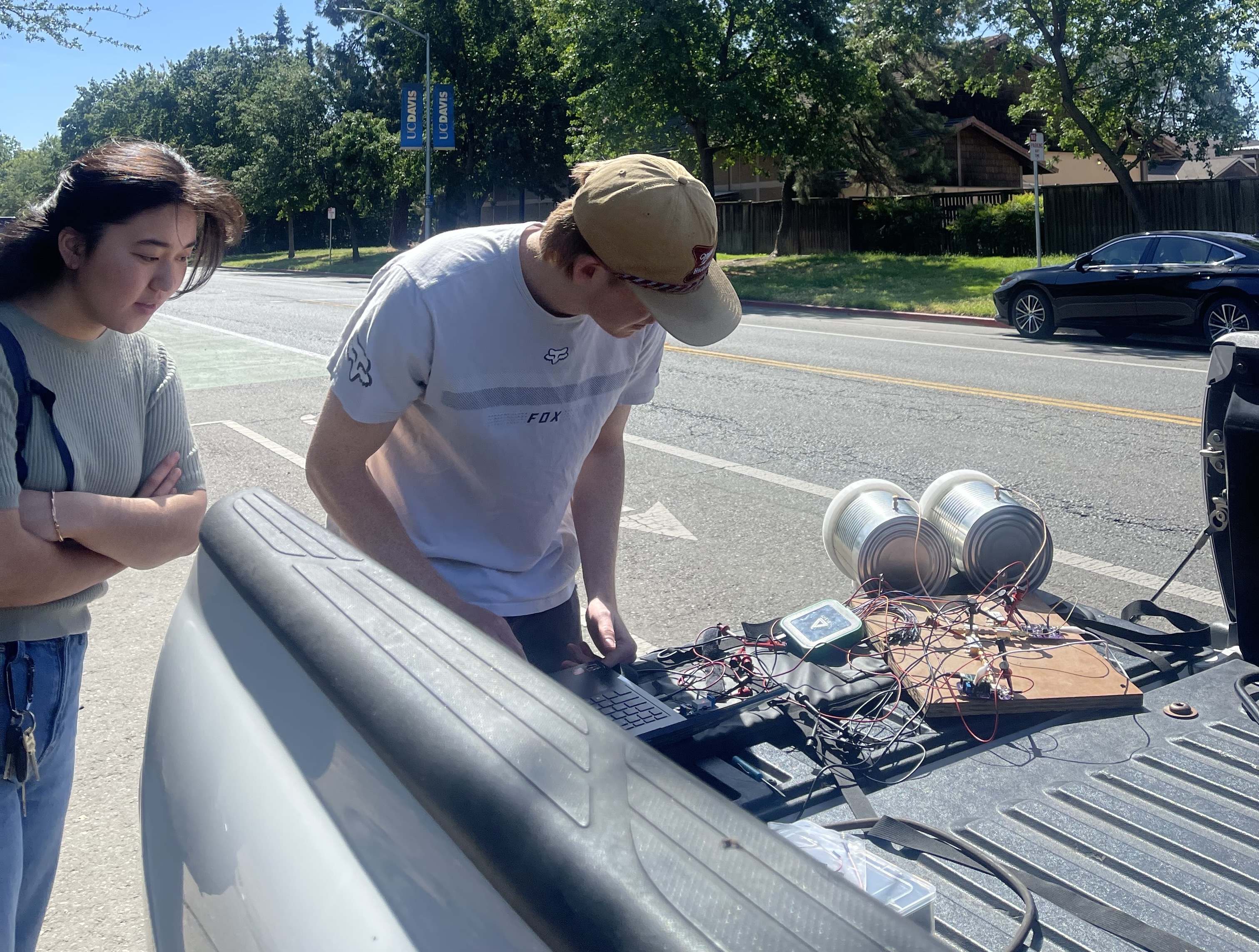
Image 1 shows students testing the performance of their FMCW Radar Design System.
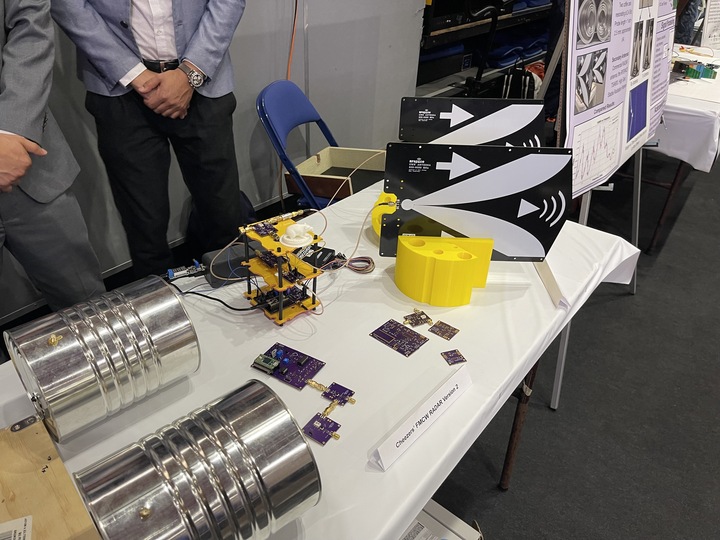
Image 2 shows students demonstrating their FMCW Radar Design at the UC Davis Senior Design Show Case.
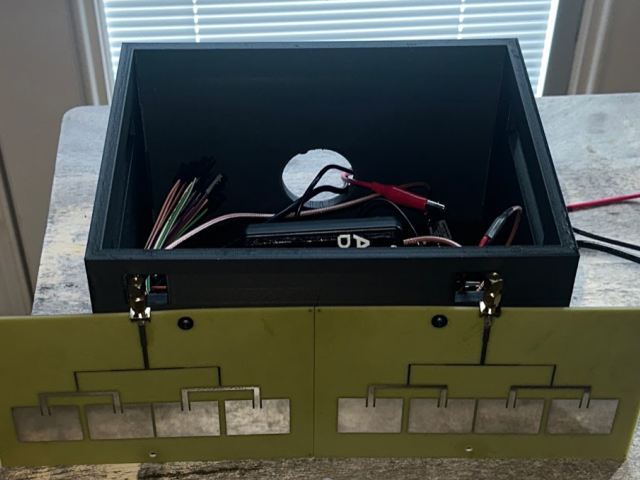
Image 3 shows an encapsulated FMCW Radar Design utilizing a patch antenna array and custom casing.
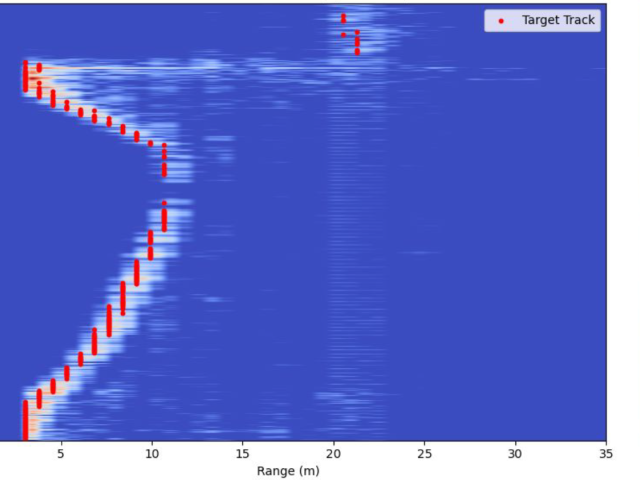
Image 4 shows the range detection results from a FMCW Radar Design System. The image above provides a chart where the time is indicated on the X-Axis and the Distance is indicated on the Y-Axis.
EEC 134 — Senior Project in High‑Frequency Electronic Systems
Two-quarter course emphasizing system-level design and hands-on experience in high‑frequency electronic systems. Projects span multiple facets of electrical engineering, with a focus on practical skills and measurable outcomes.
Core focus areas
- System engineering: architecture, integration, and testing of high‑frequency systems.
- Antenna design: array configuration, radiation pattern considerations, and mounting constraints.
- Analog circuit design: RF front ends, mixers, amplifiers, and filtering strategies.
- Embedded systems: real‑time control, data acquisition, and power management.
- Digital signal processing: range and Doppler processing, synthetic aperture algorithms, and resolution enhancement.
Project highlight
Frequency‑modulated continuous wave (FMCW) radar system implementing range, Doppler, and synthetic aperture radar (SAR) measurements. Emphasis placed on system integration, measurement accuracy, and real‑world performance under size, weight, and power constraints.
Course structure
- Quarter 1 — Foundations and labs: Structured laboratory exercises covering basic system design concepts, component handling, RF measurement techniques, and assembly of a high‑frequency system.
- Quarter 2 — Innovation and optimization: Proposals and implementation of improvements targeting measurement accuracy, resolution, weight reduction, and power efficiency. Iterative testing and validation performed to quantify gains.
Assessment and outcomes
Final performance evaluated through a radar competition and technical deliverables. Learning outcomes include system‑level design proficiency, hands‑on RF assembly skills, and documented improvements in radar measurement capability.